Blog
Cholesterol Rising Despite Exercise? Real Causes & Proven Solution
By Dr Cibi John Francis Ph.D (www.drjohnfrancis.com)
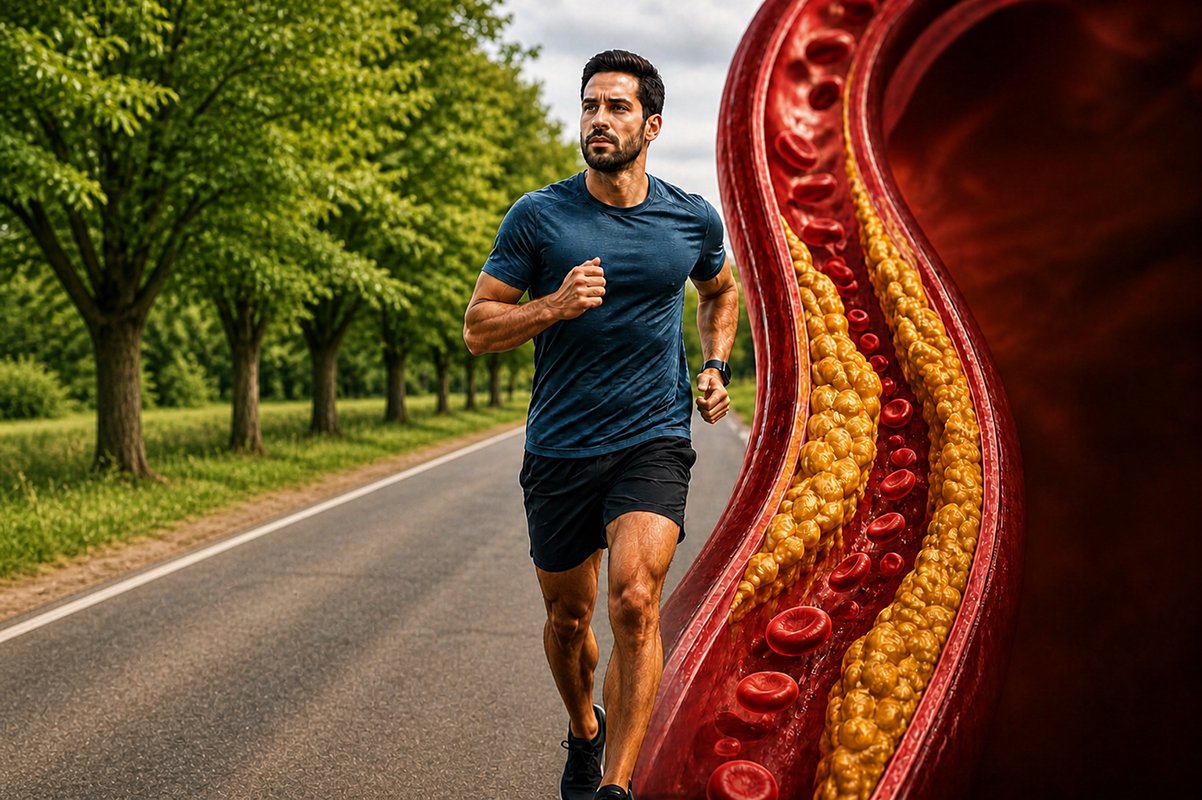
For many people, high cholesterol feels confusing and deeply frustrating.
They exercise regularly.
They walk, run, lift weights, or spend hours in the gym.
Yet during a medical checkup, the results return with the same warning:
“Your cholesterol is still high.”
This often creates fear and disappointment. People begin asking:
“If I exercise, why is this still happening?”
The answer is more complex than most people realize.
Modern research from universities, medical institutions, and metabolic health studies now suggests that cholesterol problems are not caused by one single factor. Exercise alone is often not enough. The real roots may involve stress, inflammation, insulin resistance, poor sleep, emotional overload, genetics, ultra-processed foods, and nervous-system imbalance.
In many ways, cholesterol has become a mirror reflecting the condition of modern life itself.
The Hidden Truth About Cholesterol
For years, people were taught a simple idea:
“Exercise more and cholesterol will improve.” Exercise is important. But newer research shows the body is far more interconnected. A person can exercise intensely while still experiencing:
- chronic stress
- poor sleep
- emotional burnout
- insulin resistance
- inflammatory eating patterns
- hormonal imbalance
All of these can silently affect cholesterol metabolism.
This explains why some physically active people still struggle with:
- high LDL (“bad” cholesterol)
- high triglycerides
- low HDL (“good” cholesterol)
The body is not responding only to movement. It is responding to the whole lifestyle environment.
The Modern Lifestyle Problem Nobody Talks About
One of the biggest discoveries in recent metabolic research is the connection between insulin resistance and abnormal cholesterol patterns. Researchers now describe insulin resistance as a major hidden driver behind unhealthy cholesterol levels.
When the body becomes resistant to insulin:
- fat metabolism becomes disrupted
- triglycerides increase
- LDL particles become more dangerous
- inflammation rises inside blood vessels
This can happen even in people who appear physically active.
Why?
Because exercise cannot fully protect the body from:
- chronic stress
- poor recovery
- excessive processed food intake
- sleep deprivation
- emotional exhaustion
Modern life keeps many nervous systems trapped in a constant “survival mode.”
Stress: The Silent Cholesterol Trigger
One of the most overlooked causes of rising cholesterol is chronic psychological stress. Research now shows that prolonged stress increases cortisol levels, which can influence cholesterol production and inflammatory responses in the body.
This means a person may:
- exercise daily
- appear healthy externally
- but internally remain physiologically stressed
The body does not distinguish clearly between emotional threat and physical danger. Long-term tension changes biology.
What Eastern Philosophy Understood Long Ago
Long before modern laboratories existed, Eastern philosophies recognized that tension and imbalance damage health. In traditional martial arts, there is an important teaching:
“A body filled with tension loses its natural flow.”
Ancient martial systems trained practitioners not only to become strong, but to remain calm under pressure.
Movement was combined with:
- breath regulation
- posture awareness
- emotional discipline
- nervous-system balance
This philosophy is deeply reflected in practices like Shinsei Taiso Do.
Shinsei Taiso Do and the Cholesterol Connection!
Shinsei Taiso Do approaches health differently.
Instead of focusing only on burning calories, it focuses on restoring balance within the body.
This includes:
- reducing nervous-system overload
- improving breathing patterns
- lowering chronic tension
- encouraging mindful movement
- supporting recovery and internal regulation
Why does this matter?
Because chronic inflammation and stress-related metabolic dysfunction are now strongly connected to cholesterol disorders. The body heals best when it feels safe, balanced, and regulated.
The Real Solution: Beyond Exercise Alone
The real solution is not simply “more exercise.” In fact, excessive intense exercise without proper recovery may sometimes increase stress load in certain individuals. The future of cholesterol management is becoming more holistic.
7 Powerful Strategies (Tips) to Naturally Support Healthy Cholesterol
1. Regulate Stress Daily
Stress management is no longer optional.
Practices that calm the nervous system may help reduce harmful physiological stress responses.
Helpful approaches:
- slow breathing practices
- meditation
- mindful walking
- Shinsei Taiso Do movement routines
- restorative stretching
2. Improve Sleep Quality
Poor sleep strongly affects hormones, metabolism, inflammation, and insulin sensitivity.
Aim for:
- consistent sleep timing
- reduced late-night screen exposure
- deeper recovery sleep
3. Reduce Ultra-Processed Foods
Many modern foods increase inflammation and metabolic dysfunction.
Focus more on:
- vegetables
- fiber-rich foods
- healthy fats
- natural whole foods
Reduce:
- sugary drinks
- highly processed snacks
- excessive refined carbohydrates
4. Support Insulin Sensitivity
Insulin resistance and cholesterol problems often appear together.
Helpful habits include:
- regular movement throughout the day
- reducing excessive sugar intake
- maintaining stable meal timing
- stress reduction
5. Move Smarter, Not Only Harder
Movement should support the nervous system, not constantly exhaust it.
Combine:
- strength training
- walking
- mindful movement
- flexibility work
- breath-centered exercise
6. Check Family History
Some people inherit cholesterol-related genetic conditions such as familial hypercholesterolemia. If cholesterol remains very high despite lifestyle changes, professional medical guidance is important.
7. Restore Inner Balance
This may be the most forgotten strategy. Eastern traditions teach that health depends on harmony between:
- movement
- breath
- mind
- emotional state
A constantly tense mind creates a constantly tense body.
A New Understanding of Health
Perhaps the biggest mistake of modern health culture is reducing the body to isolated numbers. Cholesterol is not simply a number. It is often a message.
A message about:
- stress
- inflammation
- lifestyle imbalance
- emotional overload
- metabolic dysfunction
The body speaks long before disease appears.
Final Reflection
The question is no longer:
“Am I exercising enough?”
The deeper question becomes:
“Is my entire way of living supporting health?”
True healing may require more than workouts.
It may require:
- calmer breathing
- better sleep
- emotional balance
- mindful movement
- reduced internal stress
- conscious living
Practices like Shinsei Taiso Do remind us that health is not built through force alone. Sometimes the body heals most deeply when we learn how to slow down, breathe, and restore balance from within.
Bibliographical References:
- Sigudu, T. T., et al. (2025). Associations between high cholesterol and insulin sensitivity. PubMed Central.
- Saadati, S., et al. (2025). Metabolic crossroads in insulin resistance: exploring lipid dysregulation and inflammation. Frontiers in Immunology.
- Harvard Health Publishing. (2024). The latest thinking on inherited high cholesterol.
- Healthline Medical Review Team. (2025). Factors that may cause sudden increases in cholesterol.
- Wits University Research Report. (2026). High cholesterol and insulin resistance among young adults.
Related Blog
-
Why Slow Movement is the Future of Fitness and Stress Relief?
Shinsei Taiso Do, Yoga Science, and Martial Arts Wisdom in the 21st CenturyWe live in a world that prizes speed. But when life speeds up, the body a...
-
Mindful Fitness vs High-Intensity Training: Which Is Better for Long-Term Health?
‘A Science-Informed Dialogue Between Modern Exercise and Eastern Movement Wisdom’By Dr Cibi John Francis Ph.D In the modern fitness world, high-i...
-
Why Lifestyle Modification, Not Motivation, Is the Key to Long-Term Health?
By Dr Cibi John Francis(www.drjohnfrancis.com)People applaud motivation. Motivational quotes fill our feeds, and short bursts of enthusiasm often spar...